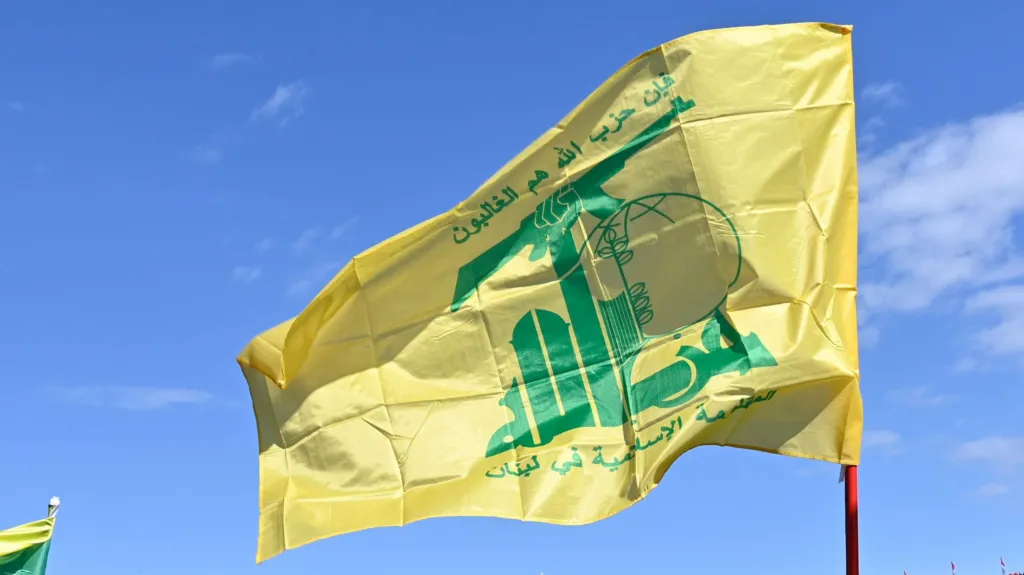
At least 10 people have been killed in fresh Israeli air strikes in eastern Lebanon, marking one of the deadliest days in the country since a ceasefire ended the 13-month war between Israel and Hezbollah in November 2024.
Lebanese officials confirmed the deaths following strikes in the Bekaa Valley, an area known as a stronghold of Hezbollah, the Iranian-backed military and political group. Israel’s military said it had targeted sites linked to the group. Hezbollah later confirmed that at least six of its fighters were among those killed, including a senior field commander.
The Israeli army said the operation focused on what it described as “Hezbollah command centres” and accused the group of hiding its military assets among civilians. “Hezbollah systematically embeds its assets within the civilian population,” the military said in a statement.
According to Israel, Friday’s strikes were carried out after “a violation of the understandings between Israel and Lebanon”. The attacks add to a pattern of near-daily Israeli strikes in Lebanon since the ceasefire agreement was reached.
The truce, brokered by the United States and France, required both Israeli forces and Hezbollah fighters to withdraw from southern Lebanon during its first phase. The agreement followed more than a year of cross-border fighting that caused heavy destruction and loss of life on both sides.
Hezbollah maintains that the ceasefire terms apply only to the area south of the Litani River up to the Blue Line, the unofficial border between Lebanon and Israel. In that region, the Lebanese army has dismantled sites used by the group as part of a wider plan to disarm Hezbollah after the war.
However, Hezbollah has rejected calls by Lebanese authorities to discuss the fate of its weapons outside southern Lebanon, including in the Bekaa Valley, where some of its arsenal is believed to be stored. Earlier this week, the group opposed a government decision to move forward with the second phase of a disarmament plan covering areas north of the Litani River up to the Awali River near the port city of Sidon.
Lebanon’s government has accused Israel of breaching the ceasefire through its continued strikes and has called on the international community to pressure Israel to halt the attacks. Prime Minister Nawaf Salam recently described the current situation as a “one-sided war of attrition”.
Images shared online from one of the strike sites showed heavy destruction in what appeared to be a residential neighbourhood in the Bekaa Valley.
The escalation came just hours after another Israeli strike targeted the Ain al-Helweh Palestinian refugee camp near Sidon in southern Lebanon. In a post on X, the Israeli army said it had hit a “command centre” used by Hamas in the camp. Hamas confirmed that two of its members were killed in that attack.
Hezbollah is considered a terrorist organisation by countries including the United Kingdom and the United States.
The latest strikes take place against a backdrop of rising regional tensions. The United States has warned it could attack Iran if ongoing negotiations between the two sides fail to produce an agreement. In Lebanon, there are growing fears that Iran could push Hezbollah to join its response if Israel becomes directly involved in any confrontation.






























